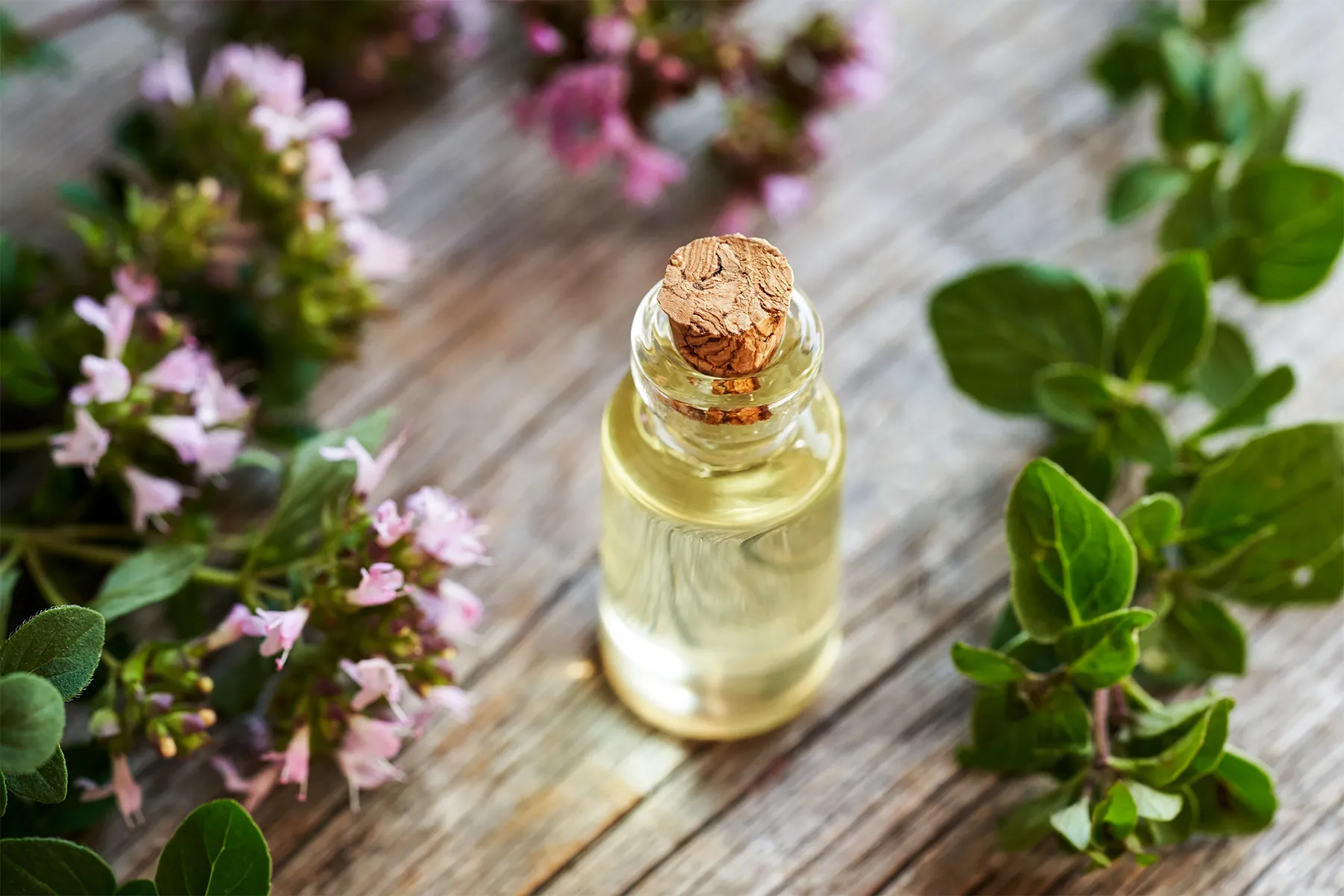
It comes from leaves of the oregano plant. You may be familiar with oregano’s use in cooking. It’s also been used in traditional folk or herbal medicine for centuries to treat or prevent illnesses. Plus, it may have antimicrobial and antioxidant properties. Despite its bitter taste, some people use oregano oil to fight infections, including the common cold. But evidence for its health benefits is limited.
“Oregano can be used in many ways, most often used as a fresh or dried herb added to cooking Mediterranean and Italian dishes,” says Julia Zumpano, a registered dietitian at Cleveland Clinic in Cleveland, Ohio. “It can also be used as an oil with cooking or as an essential oil used topically with a carrier oil on the skin or diffused, as a tea, or as a supplement.”
The oregano plant is native to parts of the Mediterranean region and Europe. There are many types of oregano plants, and the name “oregano” is used for at least 61 plant species that have a similar smell and taste.
More research is needed on possible health benefits of oregano oil, but some studies suggest it may have some of these properties:
- Antimicrobial
- Antiviral
- Antifungal
- Antioxidant
- Anti-inflammatory
- Antidiabetic
- Anticancer
One teaspoon of dried oregano leaves contains:
- Calories: 2.65
- Protein: 0.09 gram (g)
- Fat: 0.04 g
- Carbohydrates: 0.69 g
- Fiber: 0.42 g
- Sugar: 0.04 g
Oregano is a good source of iron. It’s also an excellent source of vitamin K. Studies have shown that vitamin K can help you with your bone health and controlling your blood sugar.
Oregano oil also contains antioxidants that may help stop free radicals from damaging your cells. This may lower your risk for serious diseases such as cancer. While studies in oregano are limited, dietary antioxidants are linked to many health benefits. Antioxidants in oregano and oregano oil include:
- Flavonoids
- Phenolic acids
- Tannins
Chemical makeup and antioxidant properties
Oregano contains a complex mixture of chemical compounds, including:
- Carvacrol
- Thymol
- y-Terpinene
- p-Cymene
- Terpinen-4-ol
- Linalool
- beta-Myrcene
- trans-Sabinene hydrate
- beta-Caryophyllene
The specific chemical makeup of oregano and oregano oil depend on the plant species. It also can depend on other factors that affect the amount of various phytochemicals the plant makes. The antioxidant content of oregano oil depends on the extraction process and solvents used to make the concentrated oil.
The amount of antioxidant flavonoids and phenolic acids you’d get from oregano or oregano oil will depend on the dose, Zumpano notes. Some studies of oregano have looked at the amount in 100 g (3.5 ounces), which is the equivalent of 2 or 3 cups of fresh oregano, she says. It’s hard to know exactly what you’re getting when you use oregano, oregano oil, or an oregano supplement. Generally speaking, oregano in reasonable amounts is good for you.
“Even if you consume a smaller volume or consume it dried, you can still benefit from the flavonoids and phenolic acids, especially if used on a regular basis,” Zumpano says.
The use of oregano and oregano oil is largely based on its chemical makeup, including antioxidant phytochemicals. In folk medicine, oregano has traditionally been used to treat:
- Asthma
- Bronchitis
- Coughing
- Diarrhea
- Stomach upset or stomachache
- Menstrual disorders
- Infection
- Inflammation
- Diabetes
While many of these uses of oregano aren’t proven, Zumpano says the benefits of antioxidants, including those in oregano, are well known. “Antioxidants protect cells from oxidative stress, fighting damaging free radicals in the body,” she says.
While more study is needed, here are some of the suggested health benefits of oregano oil:
Antibacterial properties
Many studies have shown possible antibacterial properties of oregano oil, even against antibiotic-resistant strains of bacteria.
In one study that tested the antibacterial effects of a range of essential oils, oregano oil was found to be the best at hindering bacterial growth.
Because it may protect against bacterial infection, topical oregano oil may possibly help with wound treatment and healing. The antibacterial effect of oregano oil is mainly attributed to the additive antimicrobial action of two compounds, carvacrol and thymol. Researchers also found that this oil may be effective in treating small intestinal bacterial overgrowth (SIBO), a digestive condition.
Antioxidant properties
Both thymol and carvacrol have antioxidant effects and may be able to replace synthetic antioxidants added to foods.
Anti-inflammatory effects
Oregano oil may also have anti-inflammatory effects. For example, one study showed that oregano essential oil significantly lowered skin inflammation. It’s also suggested to have cardiovascular benefits.
Improvement of acne
Because of its combined antibacterial and anti-inflammatoryproperties, oregano oil may help improve the appearance of acne by reducing blemishes. Because using oral antibiotics to treat acne has a range of potential side effects, oregano oil may offer a safe and effective alternative when used topically.
Cholesterol management
Oregano oil may support healthy cholesterol levels. One small study included 48 people with mildly high cholesterol. The 32 participants who took oregano extract after each meal showed significantly lower LDL (“bad”) cholesterol and higher HDL (“good”) cholesterol than the 16 participants who followed lifestyle changes alone.
Digestive health
Oregano oil is commonly used to treat digestive problems such as belly cramps, bloating, and irritable bowel syndrome, among others. While research continues, experts have found that carvacrol may be effective against some types of bacteria that cause digestive discomfort.
Some laboratory studies suggest that oregano or its components have properties that can kill some food-borne germs. But there’s no evidence that it can prevent food poisoning.
Parasitic infections
One small study showed taking Mediterranean oregano oil for six weeks helped with parasites. It sometimes led to improved symptoms as well.
Oregano oil for yeast infections
Yeast infections (caused by a fungus called candida)are one of the most common types of vaginal infections. Some strains of candida are becoming resistant to antifungal drugs. Early research on oregano oil in vapor form as an alternative appears promising.
Fights fungal infections
Oregano oil may fight more than just vaginal yeast infections. Thymol in oregano oil works against toenail fungus, for instance.
Oregano oil has also been used to treat a condition that some alternative medicine practitioners refer to as yeast hypersensitivity syndrome. In this condition, an excess of the yeast Candida albicans is thought to cause symptoms such as sinus congestion, headache, fatigue, and depression. It is not a condition that is recognized by conventional medicine. Even though oregano oil is used for this, there’s no evidence that it helps treat these symptoms.
Oregano oil and colds
One small study found that people with upper respiratory viruses who used a spray that contained oregano oil and other herbal ingredients felt better 20 minutes later. In lab tests, carvacrol interfered with some human and animal viruses.
Oregano oil and cancer
Scientists are looking at whether the compounds in oregano oil can help fight cancer. So far, the research isn’t conclusive. Some studies have shown that oregano oil reduced the size of tumors in animals. Experiments on human cancer cells in lab settings showed that oregano oil might slow their growth.
Chronic stress or anxiety
One animal study suggested that treatment with oregano extract for two weeks reduced signs of anxiety in rats.
There are many claims about the uses of oregano oil, but there is little evidence to show its effectiveness. For example, oregano oil is often marketed for the treatment of intestinal parasites and the symptoms that go with it, such as:
- Bloating
- Cramping
- Constipation
- Diarrhea
- Fatigue
Oregano oil in an oral or inhaled form is also used to treat respiratory tract conditions such as:
- Coughs
- Asthma
- Croup
- Bronchitis
Oregano oil is also marketed as an aid for:
- Urinary tract infections
- Indigestion
- Heartburn
Oregano oil, in a form that can be applied to the skin, has been used to treat:
- Acne
- Athlete’s foot
- Dandruff
- Warts
- Gum disease
- Toothaches
- Skin infections
- Wounds
Marketers of oregano oil claim so many other uses as well. But there is usually no good evidence or human clinical research to support these health claims.
“Using dried or fresh oregano on your food or when cooking is considered safe,” Zumpano says. Oregano’s safety in large quantities or for medicinal purposes is not known. Due to some of its properties, a few things should be kept in mind when taking oregano or oregano oil in medicinal amounts.
Consider the following before using oregano oil either internally or topically:
Toxicity
Because oregano oil is such a powerful antimicrobial agent, it can be toxic to humans. Taken in large doses, it can even be deadly. Only use the recommended amount of oregano to yield its benefits.
Bleeding
“[Oregano may come with] increased risk of bleeding by slowing down how fast your blood clots,” Zumpano says. “Avoid taking high doses of oregano or oregano supplements if you have a blood clotting disorder or are taking a blood thinning medication.”
Vitamin deficiency
Tannins found in oregano may affect how your body absorbs certain minerals, such as iron, copper, and zinc, Zumpano says. “If you have a vitamin or mineral deficiency, it can interfere with and prevent your body from absorbing those vital minerals,” she notes.
Digestive issues and diuretic effects
Large amounts of oregano can upset the stomach. It also may have diuretic effects. That means it could cause you to pee and lose more water and salt than you normally would.
Skin irritation
Although oregano oil can help with some skin ailments such as acne, it may irritate sensitive skin. Don’t apply undiluted oregano oil directly to your skin. It could cause a rash or allergic reaction. Patch test any products containing oregano oil to ensure they won’t cause any negative effects. Additional research is needed on skin irritation caused by it on humans.
Pregnancy concerns
Research on the effects of oregano oil on someone who is pregnant or breastfeeding has been inconclusive. If you’re pregnant or breastfeeding a baby, it’s best to look for an alternative.
Medication interference
Avoid oregano oil if you’re taking a diuretic because it may worsen medication side effects. Oregano has natural diuretic properties, and it may interfere with the action of lithium and similar medications. Zumpano says it may also interfere with some diabetes medications, although more research is needed to understand its effects on blood sugar.
Surgery risks
Because oregano can interfere with your blood clotting, you should stop taking it two weeks before any scheduled surgery.
Oregano oil can be purchased at just about any grocery or health food store. You can make it at home by blending oregano leaves with olive oil. Follow these steps:
- Wash and chop the oregano leaves.
- Place them in a clear jar, then add warmed oil and stir.
- Seal the jar and keep it in a cool, dark place for up to two weeks, giving the jar a shake every day or so.
- After two weeks, strain the oil and discard the leaves.
Seal and refrigerate the now-infused oil of oregano and use it as desired.
The FDA says oregano oil is generally safe as a food product. But unlike drugs, dietary supplements don’t have to go through many tests before they reach the U.S. market. Read labels carefully and follow the recommended dose on the packaging. Be aware that the label might not accurately show what’s in the product.
Oregano oil can be added to food, but it may upset your stomach if you take large amounts. If you’re using it on your skin, avoid anything stronger than 1% concentration.
It’s important to understand the difference between oregano oil and oregano essential oil. Essential oils are highly concentrated versions usually sold for aromatherapy. They’re not meant for you to use without diluting. If you don’t know the strength of the oil, you can’t assume that swallowing it or putting it directly on your skin is safe.
There are no optimal doses set for oregano oil. Quality and active ingredients in supplements may vary widely because supplements aren’t regulated like medicines. This makes it hard to recommend or set a standard dose.
Yes. Oregano oil is taken from the oregano plant, that can be used in part in cooking. These oils give oregano its distinctive scent and flavor.
Oregano leaves can be steeped in hot water and prepared as a tea. The concentration of active chemicals in the oregano plant or oregano tea is lower than that it is in concentrated essential oil.
If you’re pregnant, don’t take oregano oil in large amounts. It could cause harm to your fetus or may cause miscarriages.
Also avoid it if you take diabetes medicines, blood thinners, or lithium. It’s also best to avoid it if you take diuretics for another health condition. You shouldn’t take oregano before having surgery because it can affect clotting.
Avoid oregano if you have allergies to:
- Basil
- Lavender
- Hyssop
- Marjoram
- Mint
- Sage
- Thyme
These plants are in the same plant family as oregano. Be sure to tell your doctor about any supplements that you take, even those labeled “natural.”
Oregano oil has been used in folk medicine for centuries. Studies suggest it may fight bacteria and fungal infections and have antioxidant properties. But the health benefits of it are not proven. It can also cause side effects, interfere with medications, and affect your ability to absorb important minerals. It’s best to talk to your doctor before adding it to your health care routine.
What does oregano oil do for you?
It may have nutritional and antioxidant benefits. It may help fight bacteria and fungus and possibly help with skin infections and acne. Some people take it for colds, to lower cholesterol levels, and to aid digestive health. But more studies are needed to prove its health benefits.
What infections does oregano oil treat?
Some evidence show that it has antimicrobial, antiviral, antibacterial, and antiparasitic properties. If you have an infection that needs treatment, see your doctor, and use a proven medication rather than oregano oil.
Is oregano oil safe to take daily?
It’s generally considered safe to use or consume oregano in normal amounts. But there’s not enough reliable information on what amount of oregano oil is safe. It’s risky to use too much, and there’s no recommended dose. Talk to your doctor before taking it.
What is oregano mostly used for?
It’s most often used in fresh and dried forms as a flavorful herb in cooking.
What happens to your body when you take oregano oil?
It’s unlikely you’ll notice anything happening to your body just because you start taking oregano oil. If you use oregano oil and notice any digestive issues, a skin rash, or other side effects, stop using it, and see your doctor.
Is oregano the same as pudina?
Pudina is another name for Cuban oregano.
What’s the downside of oregano?
It may cause side effects such as nausea, diarrhea, skin rash, and low blood sugar. It also may interfere with diabetes medications and affect your body’s ability to absorb minerals such as zinc and iron.
link
About the Author