:max_bytes(150000):strip_icc()/VWH-GettyImages-1410880109-d69424d7908a4f67b882027a02169522.jpg "What Happens to Your Gut Health When You Put Castor Oil in Your Belly Button")
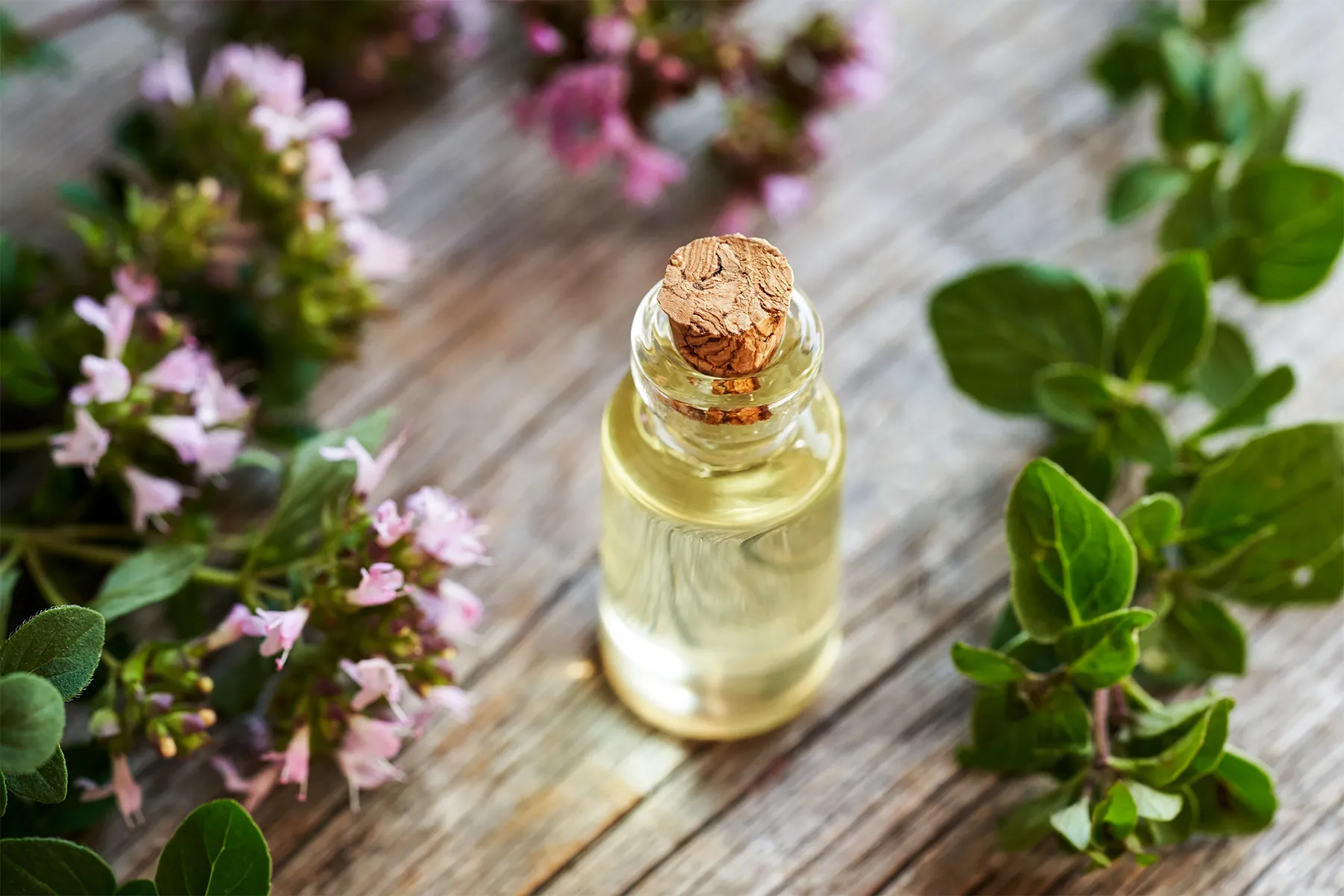
TikTok creators have been raving about an unexpected remedy for bloating: applying castor oil inside the belly button. While castor oil has been used as a laxative in the past, no scientific evidence supports using it topically for bloating.
Are There Any Health Benefits?
Castor oil has some legitimate health applications, and it’s been used in traditional medicine for centuries. Still, putting it in your belly button to relieve digestive issues is probably too good to be true.
“Simple logic should be applied here,” said Viktoryia Kazlouskaya, MD, PhD, a board-certified dermatologist at the University of Pittsburgh Physicians and owner of Dermatology Circle.
“Applying small amounts of oil to the belly button likely cannot penetrate deeply enough into the skin to influence digestion, improve circulation, or have any significant impact on your body,” she added.
Here’s what could be going on instead. “The mere act of applying oil onto the skin, especially warm castor oil packs, could help relax abdominal muscles and ultimately reduce tension, leading to a feeling of relief,” said Michael Chichak, MD, an internal medicine instructor at Northeast Ohio Medical University and medical director at MEDvidi.
In that case, a warm compress will also do the trick.
Side Effects of Castor Oil in Your Belly Button
Putting castor oil on your skin is generally safe, though there’s no good reason to do so. “It just accumulates in your belly button and is unlikely to go anywhere beyond your skin,” said Kazlouskaya. “There are no significant drawbacks, except that bloating likely will continue.”
There are also a few considerations to keep in mind. First, if you’re prone to sensitive skin or allergies, applying castor oil could irritate your skin or cause a rash, said Chichak.
You could also be missing the real issue. “People delay treatment when they opt to follow a purportedly proven solution like castor oil when, in reality, they might be dealing with underlying digestive problems such as irritable bowel syndrome, intolerances, or other gut imbalances,” said Chichak.
Other Ways to Reduce Bloating
If you want proven ways to reduce your bloat, stick to the basics, said Chichak.
These include:
- Drinking plenty of water: Staying well-hydrated prevents constipation, which can contribute to bloating.
- Consuming more fiber: Eating high-fiber foods, such as fruits, vegetables, and whole grains, supports healthy digestion, preventing symptoms like bloating or constipation.
- Cutting back on processed foods and excess dairy: These foods can cause gas and bloating in some people.
- Doing light movement or yoga: A walk or gentle belly massage can reduce bloating. Exercise also helps ease stress, which can further contribute to bloating.
- Taking over-the-counter bloating medicines: Gas-X and Pepto-Bismol can also help treat bloating. But if these remedies don’t work, it’s time to see a doctor.
“If bloating continues, talking to a medical professional to check for possible underlying issues is important,” said Chichak.
What This Means For You
It’s easy to get swept up in TikTok wellness trends like putting castor oil in your belly button. While this one likely won’t do any harm, it also won’t deliver the digestive benefits influencers are claiming. Instead, daily habits like staying hydrated, eating fiber-rich foods, and exercising can more effectively prevent and treat bloating.
:max_bytes(150000):strip_icc()/KFheadshot-9fe00fcb29c24a589a05cb7dea9ca150.jpeg)
link
About the Author