


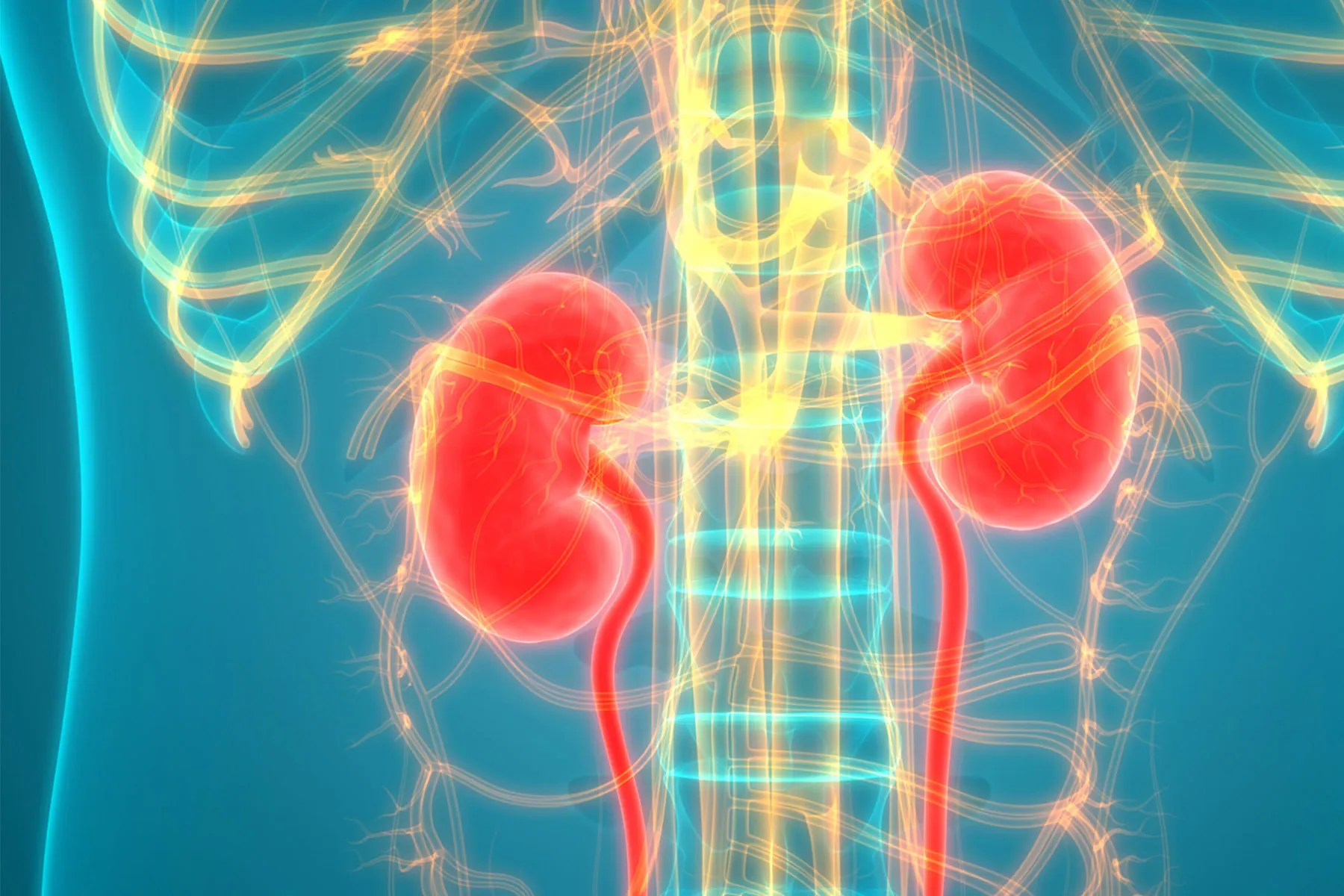
Multiple myeloma is a cancer of plasma cells, a type of immune cell found in bone marrow. Healthy plasma cells make proteins called antibodies to fight infections. In myeloma, plasma cells make abnormal proteins, which travel through the blood and damage many parts of the body—including the kidneys.
Your kidneys have important jobs. They filter wastes and extra fluid out of your blood, balance salt and water levels in your body, control blood pressure, and produce hormones. Multiple myeloma makes it harder for the kidneys to do these jobs. Its abnormal proteins clump together inside the kidneys and block the filters. They also cause inflammation that damages this organ even more.
Up to 40% of people with multiple myeloma already have some kidney damage when they’re diagnosed. Others develop kidney damage later as the disease progresses. Between 10% and 15% eventually need dialysis to do the job of their damaged kidneys. Some will need a kidney transplant.
When you know the symptoms of kidney problems, you can see your doctor and get diagnosed quickly. The faster you start treatment, the better your outcome will be.
Multiple myeloma causes symptoms like tiredness, bone pain, weakness, weight loss, and infections. Kidney damage may not cause symptoms at first. It might show up on a lab test you get for another reason.
These are some signs that multiple myeloma has damaged your kidneys:
- Peeing more or less often than usual
- Foam or bubbles in your pee from protein
- Swelling in your leg, feet, and ankles from fluid buildup
- Nausea or vomiting
- Tiredness
- Itching
- Confusion
- Thirst
- Shortness of breath
- Appetite loss
Myeloma kidney is another name for light chain cast nephropathy (LCCN). It’s the most common cause of kidney disease from multiple myeloma.
“When plasma cells are healthy, they fight infection by producing proteins called antibodies. These antibodies consist of heavy chains and light chains, because they have to adjust to any kind of bacteria, virus, or whatever germ comes into the body,” says Jens Hillengass, MD, PhD, a professor of oncology at Roswell Park Comprehensive Cancer Center in Buffalo, New York.
Myeloma cells make too many light chains, which travel through the blood to the kidneys. As blood passes through the kidneys, those light chains attach to another type of protein and form thick plugs called light chain casts. “In the tiny tubes in the kidney, the proteins accumulate and then block the filtration of urine,” says Hillengass.
Myeloma kidney can cause a sudden, fast decline in kidney function called acute kidney injury (AKI). If left untreated, it could lead to long-term, progressive loss of kidney function known as chronic kidney disease (CKD). Eventually the damage can cause kidney failure.
Myeloma kidney symptoms
You might not notice any symptoms in the early stages of the disease. When kidney function gets worse you can have:
- Less urine than usual or frothy urine
- Swollen legs, ankles, and feet
- Weakness
- Tiredness
- Shortness of breath
- Thirst
- Headache
- Nausea
Myeloma kidney treatment
Doctors use these treatments to manage myeloma kidney and prevent kidney damage.
Chemotherapy. These strong medicines kill myeloma cells or stop their growth. After chemotherapy, plasma cells make less of the abnormal protein, which gives your kidneys a chance to heal. Your doctor might add a targeted cancer drug like bortezomib (velcade) or daratumumab (Darzalex) to chemotherapy if you have a lot of light chains in your blood.
Calcium-lowering medicine. More casts form when you have too much calcium in your blood. Medicines like pamidronate (Aredia) and zoledronic acid (Reclast, zometa) lower calcium levels.
Extra fluids. Staying well hydrated prevents light chains from forming and blocking your kidney tubules. You can either drink more water or get fluid through an IV.
Plasmapheresis and plasma exchange. A machine filters your blood and separates out the plasma — the liquid part that contains large numbers of light chains. It returns the treated blood mixed with a replacement fluid to you.
Stem cell transplant. A stem cell or bone marrow transplant replaces cancer cells with healthy blood cells. First you get high doses of chemotherapy to get rid of the myeloma cells in your bone marrow. Then you get an infusion of your own healthy blood-forming cells. A stem cell transplant could put the disease into remission, which means you have few to no multiple myeloma cells and symptoms.
Dialysis. If your kidneys are too damaged to filter, dialysis does the work for them. A special machine removes wastes and extra fluid from your blood.
In this very rare condition, copies of plasma cells called clonal cells in the bone marrow make light chains that deposit in different parts of the body. “Light chain deposits are mostly in the kidneys, but rarely they can also affect other organs, like the heart and liver,” says Shahzad Raza, MD, a hematologist/oncologist and staff physician at Cleveland Clinic in Cleveland, Ohio.
A healthy kidney’s filters remove wastes but hold on to protein and other things your body needs. Over time, light chains build up in the kidneys and affect their function. As the kidneys get more damaged, they leak large amounts of protein into your urine. The medical term for this condition is nephrotic syndrome.
LCDD and nephrotic syndrome get worse over time. They can lead to chronic kidney disease, high blood pressure, and other complications.
LCDD symptoms
Symptoms of LCDD include:
- Foam or bubbles from protein in your pee
- Weakness
- Tiredness
- Weight loss
- Appetite loss
- Pain in your belly or bones
- Swelling in your legs, feet, ankles, hands, or face
LCDD treatment
Without treatment, LCDD can progress to end-stage kidney disease (ESKD). At that point, your kidneys can’t filter your blood anymore and you’ll need dialysis.
Because LCDD is rare, there’s no standard way to treat it. Your doctor might try therapies like these to slow light chain production and kidney damage:
- Velcade, a targeted cancer drug called a proteasome inhibitor
- Lenalidomide (Revlimid) or pomalidomide (Pomalyst) – medicines that boost your body’s immune response to control cancer
- Darzalex, a monoclonal antibody that helps slow or stop the growth of cancer cells
- Stem cell or bone marrow transplant to control the plasma cells and put multiple myeloma into remission
- Kidney transplant if you have late-stage kidney disease
AL amyloidosis is a rare disorder that sometimes affects people with multiple myeloma. It also affects some people with monoclonal gammopathy of undetermined significance (MGUS) and smoldering multiple myeloma (SMM), which are early stages of multiple myeloma.
In AL amyloidosis, clonal cells in bone marrow make light chains that are misfolded and twisted. “The body doesn’t know how to deal with them, and often just deposits them somewhere. And that somewhere can be the kidney,” says Hillengass. The proteins clump together and create thread-like structures called amyloid fibrils that build up in the kidneys, and sometimes in other organs like the heart, intestines, and skin.
Amyloid buildup damages the kidneys’ filters. The kidneys start to leak protein into the urine. Without treatment, AL amyloidosis can lead to kidney failure.
AL amyloidosis symptoms
The symptoms depend on which organ(s) AL amyloidosis affects, and can include:
- Peeing less often than normal
- Getting up at night to pee
- Bubbles or foam in your pee
- Swollen legs and ankles
- Tiredness and weakness
- Numbness and tingling
- Irregular heartbeat
- Shortness of breath
- Weight loss
- Skin that is thick or bruises easily
AL amyloidosis treatment
The goals of treatment are to lower the number of abnormal plasma cells, reduce light chains, and help your kidneys work better. There’s only one approved treatment for AL amyloidosis, called DaraCyborD. It’s a combination of:
A stem cell transplant may be an option if you’re young and healthy enough to qualify.
Hypercalcemia means you have too much calcium in your blood. It’s a complication of multiple myeloma. More than 1 in 4 people with multiple myeloma will have hypercalcemia at some point.
“Myeloma cells produce substances that over-activate osteoclasts,” says Hillengass. “Osteoclasts are bone-eating cells that we all have.” The overactive osteoclasts leave holes in the bones, though which calcium leaks out into the blood.
You need calcium to keep your bones strong, clot your blood, and keep your nerves and muscles healthy. But when you have too much calcium, it harms your kidneys in a few ways.
The extra calcium raises blood pressure, which damages blood vessels in the kidneys and reduces blood flow to these organs. Calcium builds up in the kidneys and damages the filters. It also makes your body produce more urine, which dehydrates you. Dehydration prevents enough blood and nutrients from reaching your kidneys. Eventually, hypercalcemia can lead to kidney failure.
Hypercalcemia symptoms
These are some signs that you have hypercalcemia:
- Peeing more often than normal
- Dark yellow pee
- Thirst
- Tiredness
- Nausea and vomiting
- Reduced appetite
- Little to no sweat
- Weak or achy muscles
- Constipation
- Abnormal heartbeat
- Trouble thinking clearly and concentrating
- Bone pain
Hypercalcemia treatment
Treatment often starts with fluids to hydrate you and help your body flush out the extra calcium. Diuretics and corticosteroids help your body remove extra calcium in your pee.
Bisphosphonates like denosumab, pamidronate (Aredia), and zoledronic acid (Zometa) stop osteoclasts from breaking down bone. “They’re very effective at lowering the calcium level in the blood,” Raza says.
You may need to lower the dose or stop taking calcium antacids and calcium supplements until hypercalcemia goes away.
Abnormal proteins are the main cause of kidney problems in multiple myeloma. But some of the medicines that treat this cancer, and some complications of multiple myeloma, might also harm the kidneys. Your doctor will monitor you for complications and adjust your medicine doses as needed.
Dehydration
High calcium levels in your blood and medicines like diuretics deplete your body of fluids. When you’re dehydrated, protein builds up inside your kidneys and clogs the filters. Dehydration can make kidney damage worse.
Medications and treatments
“It’s not common for our treatments to damage the kidneys, but we really have to be careful when kidney function is bad,” says Raza. For example, if you take Revlimid to treat multiple myeloma, your doctor may reduce the dose because this medicine could cause kidney problems. Bisphosphonates may also harm these organs.
You’ll need to avoid some medicines completely if you have severe kidney disease or kidney failure. These include nonsteroidal anti-inflammatory drugs (NSAIDs) like ibuprofen, diuretics, and contrast dyes used in imaging tests.
Infections
The abnormal plasma cells in multiple myeloma don’t make antibodies. With fewer antibodies, it’s harder for your immune system to fight infections. An infection in another part of your body could spread to your kidneys through your blood.
Some of the infections that damage the kidneys are:
- Urinary tract infections (UTIs)
- Strep infections
- Hepatitis B and C
- Tuberculosis
An untreated infection in your kidneys could spread to your bloodstream and cause sepsis, which is life-threatening. Quick treatment of kidney infections helps to prevent sepsis.
Anemia
Anemia means your body doesn’t have enough healthy red blood cells. You need these cells to carry oxygen to your organs and tissues. Anemia is very common in multiple myeloma, because cancer cells leave less room for red blood cells in the bone marrow.
Kidney disease also causes anemia. Your kidneys make the hormone erythropoietin, which helps to produce red blood cells. Damaged kidneys can’t make enough of this hormone. Anemia leaves you tired and short of breath. Without enough oxygen, your kidneys can’t work well.
Multiple myeloma affects the kidneys in many ways. The cancer cells make abnormal proteins that block the kidneys’ filters and tubes. They also help break down bones, which release calcium that deposits in the kidneys. Your doctor will monitor your kidney health. If they suspect you have kidney damage, a biopsy can confirm the diagnosis. You may see a team of specialists to manage kidney disease, including a nephrologist and an endocrinologist.
What is the prognosis for multiple myeloma kidney disease?
The outlook depends on the stage of kidney disease, how soon you treat it, and how well you respond to treatment. “Diagnose early and get treatment quickly, and the prognosis will improve,” Raza says.
What are the signs of kidney failure with multiple myeloma?
Kidney failure means your kidneys are too damaged to filter your blood, make hormones, and do their other jobs. Symptoms of kidney failure include swelling in your legs and feet, peeing more or less often than usual, foamy urine, and appetite loss.
What blood cancer attacks the kidneys?
Multiple myeloma is a blood cancer that damages the kidneys. Myeloma cells make abnormal proteins that clog up and inflame the tubules in the kidneys. This leads to kidney damage and sometimes kidney failure.
link