Health officials and cancer care leaders gathered on June 10, to mark the culmination of a two-year lung health initiative aimed at increasing early lung cancer detection across rural Appalachia.
The initiative was a collaboration between Pikeville Medical Center, Buchanan General Hospital, the University of Virginia and the Association of Community Cancer Centers (ACCC). The event brought together providers, administrators and program partners to reflect on outcomes and next steps in regional screening efforts.
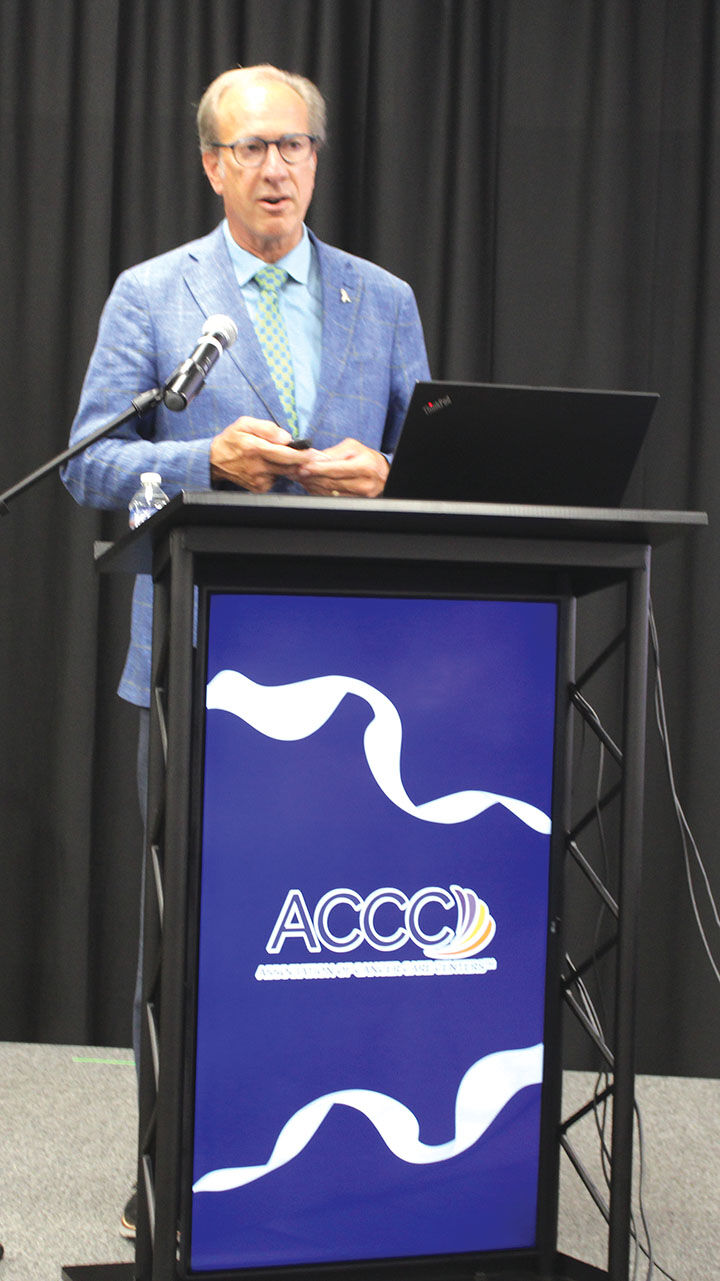
Dr. Michael Gieske, physician co-chair of the Rural Appalachia Lung Cancer Screening Initiative and director of lung cancer screening at St. Elizabeth Healthcare, said the collaboration has focused on increasing access to low-dose CT screenings in areas with historically high lung cancer mortality rates.
“We’ve been working very hard with Pikeville Medical Center and Buchanan General Hospital to improve the uptake and improve the outcomes for lung cancer,” Gieske said. “We’re trying to change the narrative. If you find lung cancer in stage one, you can have a greater than 90 percent chance of curing that cancer.”
Gieske noted the screening criteria include individuals aged 50 to 80 who have a smoking history of 20 pack-years and have smoked within the past 15 years. He said insurance typically covers the screening annually for those who meet the requirements.
“By the time symptoms appear, it’s usually already stage four,” he said. “We can do great things with stage four lung cancer now, but it’s much more effective to catch it in stage one.”
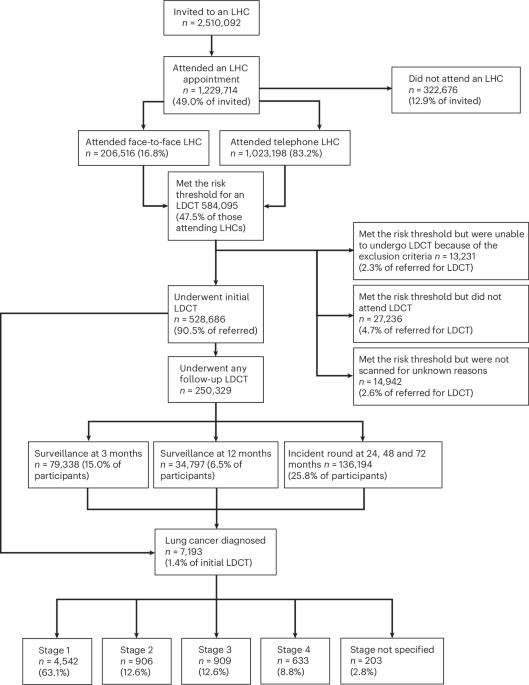
In Pikeville, hospital staff highlighted local efforts that resulted in 2,017 low-dose CT screenings between January 2023 and March 2024. Out of those screenings, 10 cases of lung cancer were identified — the majority in stages one and two.
“We worked with our primary care physicians to identify and reach eligible patients,” said Michaela Little, quality improvement coordinator at Pikeville Medical Center. “We pushed Epic notifications to 820 patients who met the criteria, and over 300 responded.”
The team also implemented several tools, including best-practice alerts within the electronic health record system, wall clings with screening guidelines in exam rooms and educational events throughout the region.
“We hired a pulmonology navigator to assist with follow-ups,” said Shauna Owens Phipps, grant and development manager. “We also launched smoking cessation programs and made sure our nurses were documenting full smoking histories.”
Gieske noted that the effort to increase screenings was built on previous success in Northern Kentucky and Southeast Indiana.
“We’ve done over 50,000 screens since starting our program in 2013,” Gieske said. “We’re now detecting one lung cancer for every 25 patients screened. More than 64 percent of the cancers we’ve found have been in stage one.”
Gieske said Kentucky’s current lung cancer screening rate is 18.1 percent — among the highest in the country — but still far below screening rates for breast and colorectal cancers.
“This is the heart of the tobacco belt,” he said. “If we want to change the outcomes, we have to increase screening.”
Data presented during the event showed a 53 percent increase in new individuals screened between calendar year 2023 and 2024 through the partnership between Pikeville Medical Center and Buchanan General Hospital.
Gieske also described Kentucky’s progress through statewide initiatives like the Kentucky LEADS program and its follow-up, the Quills Project, which engages hospital systems across the state to share data and best practices.
“We’ve seen a 19 percent decline in late-stage lung cancer over the last seven years,” he said. “These lines are crossing — more early-stage detections, fewer late-stage cases. That’s the goal.”
Gieske encouraged providers to celebrate milestones and share success stories with patients and their communities to help reduce stigma and increase participation in screening programs.
“We’re here to change the narrative,” Gieske said. “We know the tools work. Now we just have to keep getting them to the people who need them.”
link