If 2026 had a personality, it would be the year that gently but firmly asks women to stop putting themselves last. Between careers, caregiving, emotional labour and endless to-do lists, women often normalise fatigue, irregular periods or mood swings, brushing them off as “just stress” but doctors warn that many of these silent struggles are early signs of deeper hormonal and reproductive health issues.In an interview with the Times of India, Dr Preethika Shetty, Consultant Obstetrician and Gynaecologist at Motherhood Hospitals in Kharadi, shared, “As 2026 approaches, women must focus on their well-being. Various factors such as stress, lifestyle changes and hormonal imbalances often lead many women to delay or ignore important check-ups and struggle in silence. Many women often tend to believe myths and taboos when it comes to reproductive health and fail to seek timely care. Hence, it is imperative to make your health a priority in 2026 with simple steps, essential screenings, and awareness of red flags.”
Why these health resolutions matter: Science explains
According to a 2018 study published in The Lancet, “Early diagnosis and management of polycystic ovary syndrome can reduce long-term reproductive, metabolic, and psychological complications.” PCOS affects millions of women globally, yet remains underdiagnosed due to normalisation of irregular periods, acne or weight gain.

Tired All the Time? Irregular Periods? Doctors Say It’s Time Women Listen to Their Bodies
Research published in The Lancet shows that early hormonal testing, ultrasound screening and metabolic evaluation significantly reduce risks of infertility, diabetes and cardiovascular disease later in life.A 2019 study published in Endocrine Reviews found, “Even mild thyroid dysfunction can adversely affect menstrual regularity, fertility, and pregnancy outcomes.” Fatigue, hair loss, mood swings and sudden weight changes are often blamed on stress but studies show they may signal thyroid imbalance.Research confirms that routine TSH, T3 and T4 testing allows early intervention, preventing fertility issues, pregnancy complications and long-term metabolic damage. Similarly, fertility planning has shifted from guesswork to proactive care.

Between Work, Caregiving and Stress, Women Are Ignoring These Health Warning Signs
AMH testing helps women understand ovarian reserve early, especially important for those delaying pregnancy due to personal or professional goals. HPV vaccination and PAP tests are the strongest defence against cervical cancer. A 2020 study in The New England Journal of Medicine revealed that HPV vaccination provides substantial protection against high-grade cervical lesions and significantly reduces cervical cancer risk.Cervical cancer remains one of the most preventable yet deadly cancers among women. According to NEJM, HPV vaccination combined with regular PAP smear screening dramatically reduces cancer incidence by detecting cellular changes long before symptoms appear.
Women’s health checklist for 2026
Dr Preethika Shetty suggested an easy-to-follow list of the most important health checks and habits that is crucial for managing PCOS, thyroid issues, planning fertility, getting the HPV vaccine and staying updated on PAP tests.
- PCOS screening: Irregular periods, acne, weight gain, darkening of the skin, or infertility may signal PCOS. Get a hormonal profile, ultrasound, and blood sugar tests. Early diagnosis helps manage symptoms better.
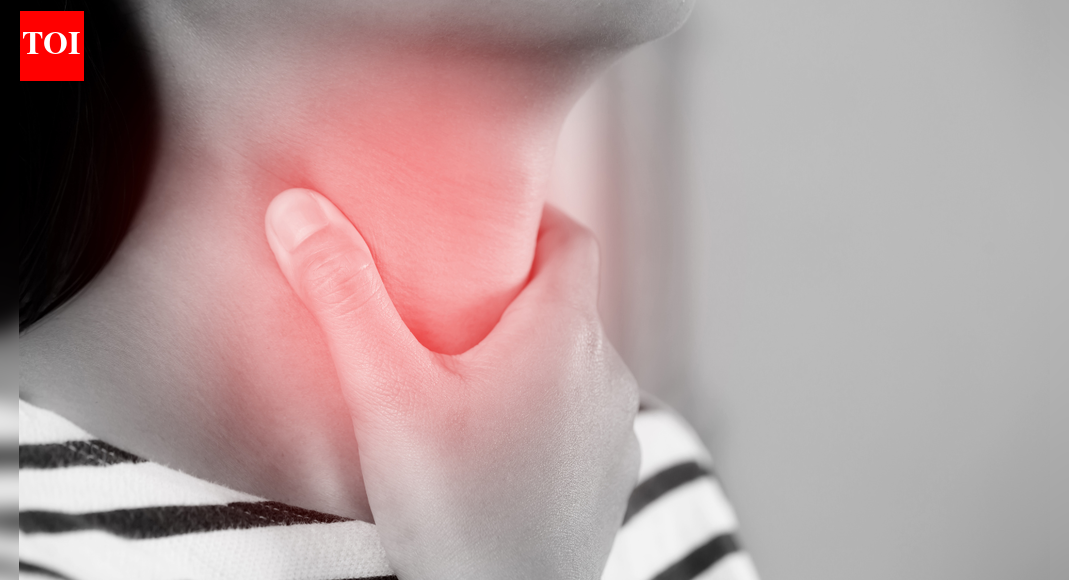
- Thyroid Function Test (T3, T4, TSH): Fatigue, sudden weight changes, hair loss, and mood swings can indicate thyroid disorders. A simple blood test can diagnose hypothyroidism or hyperthyroidism early, preventing long-term complications.
- Fertility planning: Women delaying pregnancy should consider AMH (Anti-Müllerian Hormone) testing to understand their ovarian reserve. Regular gynaecologist visits, lifestyle changes, and knowing your reproductive health early can prevent future stress.
- HPV vaccination: It is necessary as it protects against cervical cancer. Girls and women aged 9–26 should get vaccinated, and women above 26 can take it after medical advice. It is one of the most effective preventive health steps.
- PAP smear test: A PAP test every 3 years helps detect early changes in cervical cells. It can catch problems before they turn into cancer.
- Breast health: Do a monthly breast self-exam and get an ultrasound or mammogram as recommended by your doctor. Report any lumps, pain, or discharge immediately.
Red flags women must never ignore
Dr Shetty asserted, “Stay alert and don’t ignore the red flags like persistent pelvic pain, heavy bleeding, severe bloating, sudden mood changes, breast lumps, unexplained fatigue or rapid weight changes. Early medical attention can prevent complications. By staying informed and proactive, women can ensure a healthier, happier, and more confident life throughout the year ahead.”Studies show that early medical attention prevents escalation into chronic or life-threatening conditions.
The 2026 pledge: Prevention over panic
The real resolution for 2026 is not suffering in silence. Dr Preethika Shetty concluded with the advice, “Follow these tips. Daily movement, 7–8 hours of sleep, a balanced diet, stress management and regular hydration support better hormonal and metabolic health. Make sure to seek help from an expert if need be. Don’t ignore your reproductive health in 2026.”Note: The information provided in this article is for educational purposes only and is not intended as medical advice. Always consult with a qualified healthcare professional before starting any new medication or treatment and before changing your diet or supplement regimen.
link
About the Author