Sepsis is a life-threatening medical emergency that occurs when the body’s response to an infection — whether bacterial, viral or fungal — spirals out of control, causing widespread inflammation and damage to organs and tissues.
It can begin with something as simple as a cut, or something more serious, such as a urinary tract infection or pneumonia. When the immune system overreacts, it can lead to septic shock, organ failure and even death — sometimes within hours.
Each year, more than 1.7 million Americans are diagnosed with sepsis, and over 350,000 die from it, according to the Centers for Disease Control (CDC).
Here’s what you should know about sepsis, from signs and symptoms to prevention.
TIME to recognize sepsis
Recognizing the symptoms of sepsis is critical. The acronym TIME can help you remember the warning signs:
- Temperature: Higher or lower than normal
- Infection: Signs of infection like redness, swelling or pain
- Mental decline: Confusion, sleepiness or difficulty waking
- Extremely ill: Severe pain, shortness of breath or feeling like something is very wrong
Sepsis can affect anyone, regardless of age or health status. But those most at risk include older adults, infants, and people with chronic illnesses and/or weakened immune systems.
If you experience these symptoms — especially if you’ve had a recent infection or wound — don’t wait. Call 911 or go to the nearest emergency department. Early treatment with antibiotics can save lives.
How sepsis takes hold
When you’re exposed to bacteria, viruses or other germs, your body’s immune system jumps into action to protect you. White blood cells in your body work to kill the invading germs and keep them from multiplying.
In sepsis, the body’s immune system overreacts, attacking healthy tissues and organs in addition to the germs. This overreaction causes widespread inflammation, which can lead to leaky blood vessels, blood clots and poor circulation.
As a result, vital organs — such as the lungs, kidneys and heart — may not get enough oxygen. If not treated quickly, sepsis can progress to septic shock, where blood pressure drops dangerously low and multiple organs shut down.
The good news is that sepsis is treatable, especially when caught early. Treatment typically involves IV antibiotics, fluids to stabilize blood pressure and supportive care for affected organs. With prompt medical care, many people recover fully and return to their normal lives.
Those who have had sepsis are more vulnerable to getting it again due to lingering immune system changes and increased susceptibility to infections. Prevention is key to staying healthy.
Preventing sepsis
You can lower the risk of getting sepsis. It starts with preventing infections — and that means taking proactive steps to protect your health, such as:
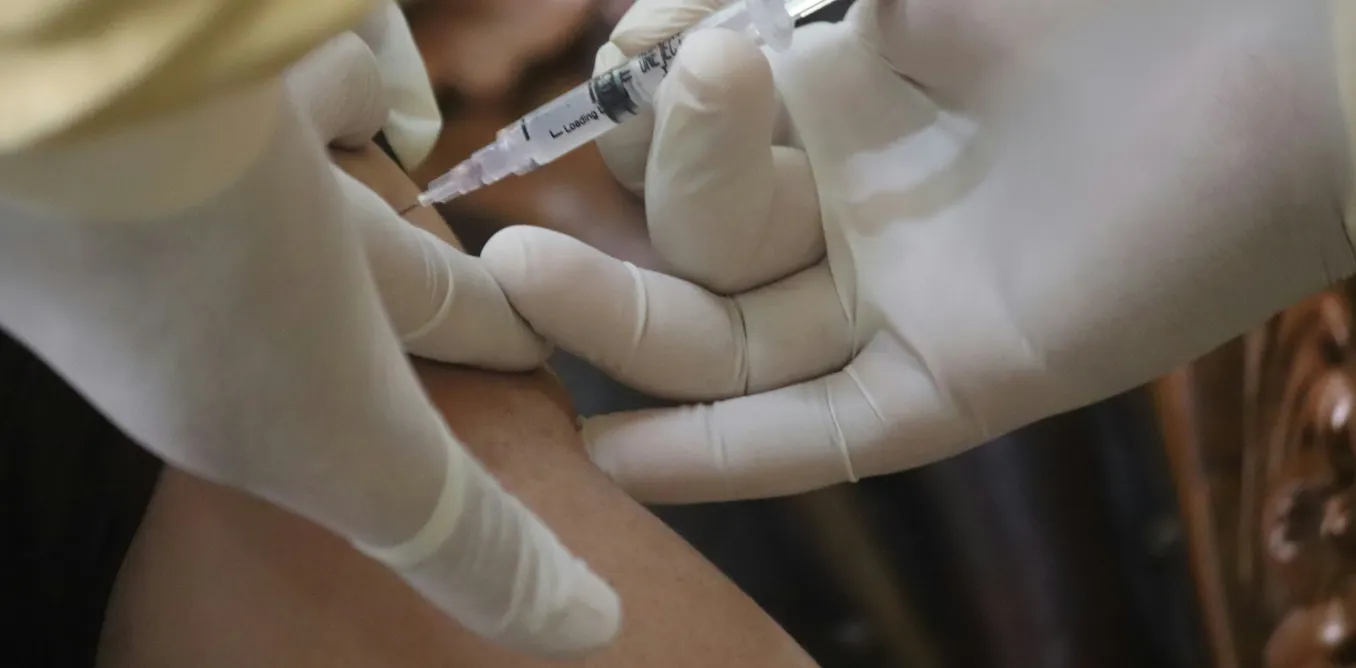
- Getting vaccinated against common infections like flu, pneumonia, COVID-19 and meningitis.
- Cleaning wounds properly. Wash with soap and water, apply antiseptic and keep them covered.
- Treating infections early. Don’t ignore symptoms like fever, pain or swelling.
- Practicing good hygiene. Wash hands regularly and avoid sharing personal items.
- Managing chronic conditions like diabetes or heart disease to reduce infection risk.
- Protecting vulnerable groups. Infants, older adults and those with weakened immune systems may need extra care.
- Staying up to date with routine health checkups and recommended vaccines.
link
About the Author