
Walk into any gym or scroll through fitness content online, and one theme stands out: protein. From powders and shakes to meal plans that prioritize meat and eggs, high-protein diets have become a modern health obsession.They crowd not only our plates but feeds and have hypnotised us into believing that proteins are be all and end all.But amid the craze, one important question lingers, can you actually get too much of a good thing?
Why protein matters—and how much you really need
Protein isn’t just another dietary trend; it’s fundamental to life. Every cell in your body contains protein, which acts as a building block for tissues, muscles, enzymes, and hormones. It supports growth, development, and repair, making it crucial for children, athletes, and even older adults who want to preserve muscle mass and strength as they age.The recommended dietary allowance (RDA) gives a baseline: about 0.8 grams per kilogram of body weight. For a 140-pound person, that works out to roughly 51 grams of protein per day. To put it in perspective, you could meet this target with one serving of low-fat Greek yogurt, a modest chicken breast, and a bowl of cereal with milk. For most healthy adults, this amount is more than enough to avoid deficiency.

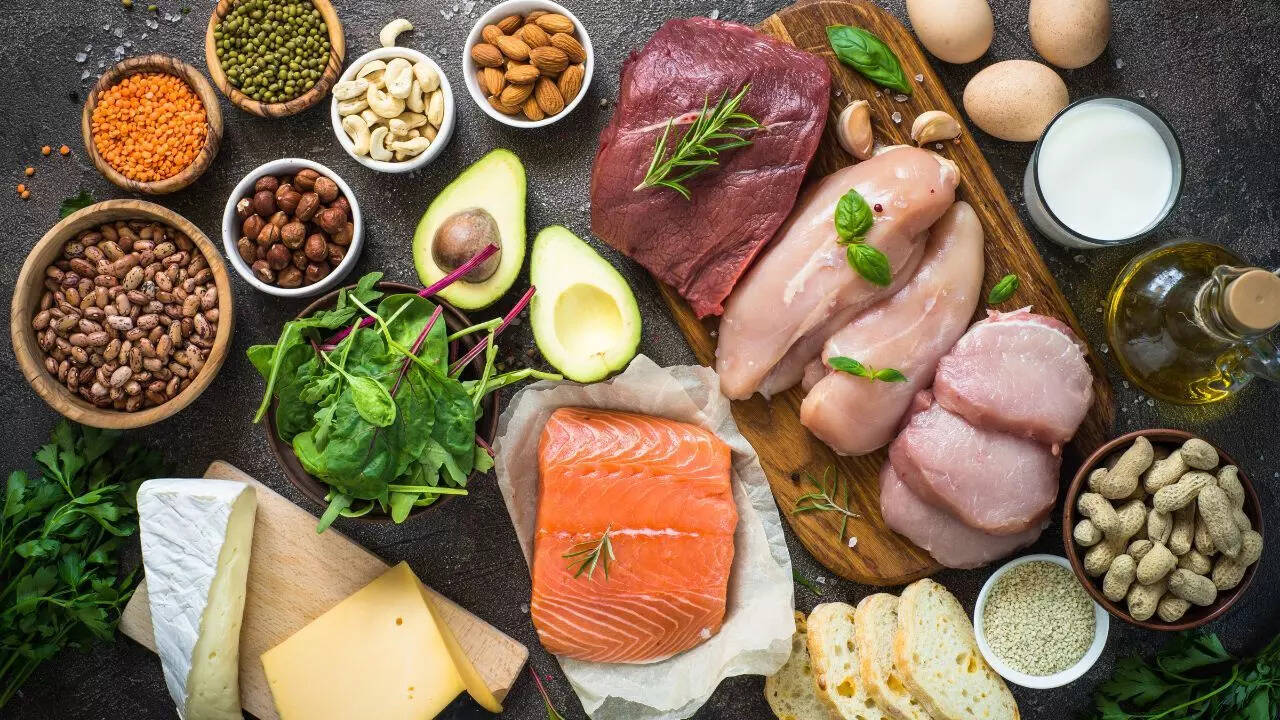
Knubian Gatlin, a registered dietitian at Houston Methodist, points out that when people start aiming for “a gram of protein per pound of body weight,” that’s when problems appear. “It’s very rare for a person to need that much protein, even among active adults and athletes,” Gatlin explains.The US dietary guidelines also recommend that 10–35% of daily calories come from protein. But nutritionists stress that the type of protein matters just as much as the number. Lean meats, fish like salmon, beans, lentils, and yogurt deliver protein without the excess saturated fats often found in red and processed meats.
What happens when you overdo it
While protein is essential, more isn’t always better. Diets loaded with protein can create health risks, especially when they rely heavily on red meat and fatty animal products. Studies have linked very high protein intake to kidney stones, a higher risk of heart disease, and even colon cancer. On the flip side, diets rich in plant-based proteins appear to be far less harmful and may even be protective.Beyond long-term risks, there are short-term side effects too. Overloading on protein shakes or oversized meat portions can cause constipation, bloating, and stomach pain, issues dietitians often see in clients chasing unrealistic fitness goals. That discomfort can be a sign that your digestive system is struggling with the excess load.So what’s the upper limit? For the average person with a normal body mass index, experts suggest not exceeding 2 grams of protein per kilogram of body weight per day. For a 140-pound person, that’s around 125 grams, a level most people will never naturally reach unless they are deliberately adding supplements and multiple protein-dense meals.
link
About the Author