Gov. Reynolds’ health bill was introduced in tandem with the first state-funded phase of research into Iowa’s rising cancer rates.
DES MOINES, Iowa — Gov. Kim Reynolds has proposed a new health bill aimed at things like improving SNAP (Supplemental Nutrition Assistance Program) foods, expanding Iowans’ access to care and combating products linked to cancer.
Reynolds announced the bill proposal in tandem with state health officials’ release of Iowa’s first state-funded phase of research into key drivers of cancer in the state.
“Sin taxes”
Centered especially on mitigating lung cancer, which First Gentleman Kevin Reynolds was diagnosed with in 2023, “sin taxes” are included in Reynolds’ bill.
Those taxes almost exclusively focus on smoking products. The cigarette tax would increase from $1.36 to $2.01; the tobacco tax by 10% per wholesale cost; and taxes on both vape products and consumable hemp products by 15% each.
Iowa senators introduced a bill Tuesday covering the tax increases, but with some differences. For the tobacco tax, the filed bill looks to change the preexisting 33% wholesale tax to 55%.
“Increasing sin taxes on products harmful to lung and overall health can help improve behavioral risks by reducing use frequency and dependency,” the governor’s office said.
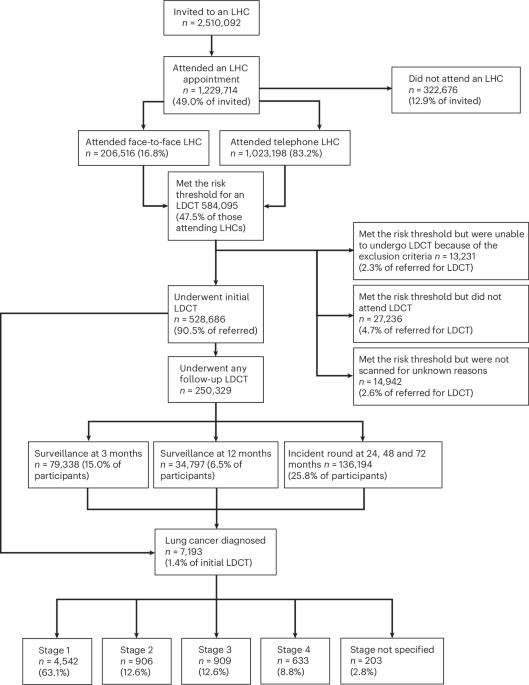
State research shows Iowa continues to have one of the highest lung cancer incidence rates in the country, along with higher rates of late‑stage, metastatic lung cancer. Those advanced cases are harder to treat and lead to higher death rates than in many other states.
Nutrition education requirements, expanding access to care
Also intended to improve health in the Hawkeye State are measures to expand access to care and monitor quality of care.
Under the proposed plan, physicians would be required to complete a continuing medical education nutrition course to keep their medical licenses. This course is intended to ensure medical professionals are prepared to address obesity and chronic illness, the governor’s office said.
Another aspect of the governor’s plan: Allowing psychologists licensed in other states practice in Iowa. Currently, Iowa is one of seven states that does not allow multi-state practice. Changing the policy is intended to expand both the health care workforce and access to behavioral health services.
Reynolds’ proposal would do away with the Certificate of Need program requirement for outpatient behavioral health and other qualifying facilities, which requires providers to get state approval for new facilities, services and equipment. Lifting this requirement is expected to allow services to expand at a faster rate.
Senate Study Bill 3130 outlines the following changes in relation to Reynolds’ plan:
- Creates a requirements that medical professionals take one hour of continuing education on nutrition and metabolic health every four years as a condition of license renewal.
- Enacts a psychology interjurisdictional compact that allows providers to practice telehealth across state lines, as well as temporary in-personal services.
- Sets out provisions through the Certificate of Need program for replacement equipment and amends the definition of an outpatient facility.
Reynolds also addresses access to over-the-counter contraceptives for women 18 and older in her proposal. The governor’s office seeks to expand access to these medications to women without a prescription, which it says will prevent more unintended pregnancies.
Currently, this measure is outlined in House File 605.
Changes to SNAP
Gov. Reynolds also seeks to have the Iowa Department of Health and Human Services seek a waiver for Healthy SNAP and Healthy Summer EBT purchases, building on previous state initiatives.
Senate Study Bill 3139 specifies that HHS would continuously maintain SNAP in accordance with guidelines of the U.S. Department of Agriculture and food and nutrition service, which specify eligible foods are healthy foods as defined by the department director.
SSB 3139 similarly would allow participation in Summer EBT, but at the condition of being subject to federally approved eligible foods for the program.
Bans on dyes and additives
Also with state regulated foods, Gov. Reynolds seeks to ban certain dyes and additives which “contribute to behavioral issues in children” from food programs for public school districts and public charter schools.
Among these substances are: Blue dye 1, Blue dye 2, Green dye 3, Red dye 40, Yellow dye 5, Yellow dye 6, potassium bromate and propylparaben. SSB 3139 would bar schools from providing food and drinks with these prohibited substances during the school day.
The bill would stipulate nonpublic schools receiving state funds to operate a breakfast or lunch program also adhere to the same guidelines, providing “nutritionally adequate meals.”
link
About the Author